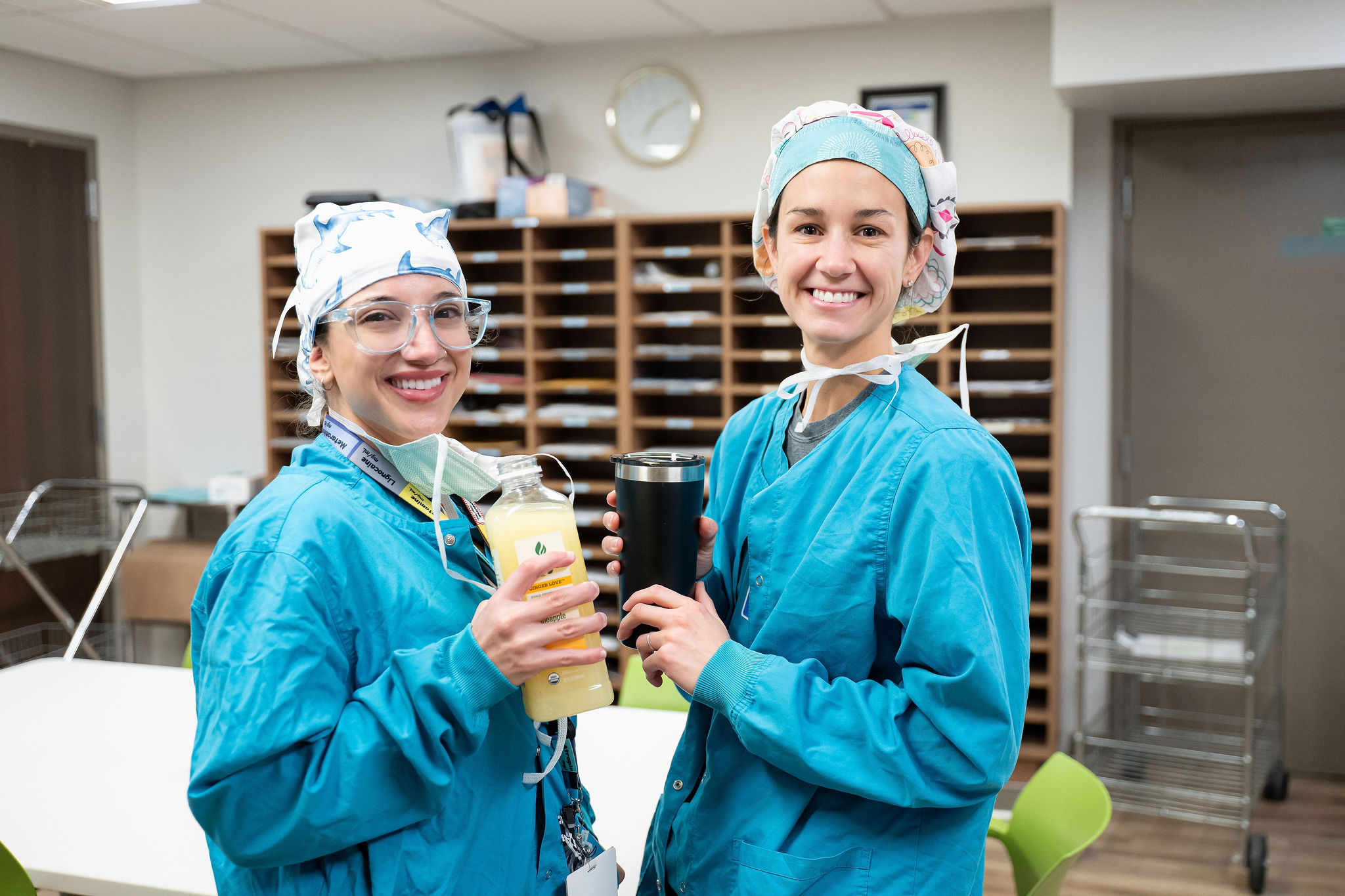
Understanding Your Anesthesia Care
Education and support for patients and families.
Excellence in anesthesia extends beyond the operating room. From understanding your care team to exploring the different types of anesthesia available, we provide the resources you need to feel confident and prepared. Explore our guides below to learn more about the high standard of care we bring to every procedure.
Your Anesthesia Care Team
Types of Anesthesia
Surgical Care
- Your Anesthesia Care Team
Prioritizing Your Comfort through Every Procedure
Your anesthesia care team may include an anesthesiologist, a CRNA, or both. An anesthesiologist is present at the start of your anesthesia and remains immediately available throughout your procedure and recovery to ensure your safety and comfort.
- Anesthesiologists are medical doctors who complete specialized residency training in anesthesiology. All MPAS anesthesiologists achieve board certification through the American Board of Anesthesiology.
CRNAs
Certified Registered Nurse Anesthetists (CRNAs) are advanced practice nurses with extensive ICU experience and graduate-level anesthesia training. MPAS CRNAs are nationally certified and work closely with anesthesiologists to deliver safe, high-quality anesthesia care.Choosing Your Anesthesiologist
MPAS makes every effort to honor requests from patients and surgeons for a specific anesthesiologist. If no request is made, our scheduling team will assign your provider. You will meet your anesthesia provider in the preoperative area on the day of your procedure.
Types of Anesthesia
Your Comfort Comes First
Each anesthesia plan is tailored to your individual needs and surgical care.
There are three main types of anesthesia: general, regional, and local. Your anesthesiologist will recommend the safest and most appropriate option based on your procedure and medical history.
General Anesthesia
General anesthesia places you in a deep, sleep-like state with no awareness of the procedure. Medication is given through an IV and inhaled gases. A breathing tube or mask may be used during surgery and is removed once you begin waking up.Regional Anesthesia
Regional anesthesia numbs a specific area of the body and may be combined with IV sedation for comfort. Common forms include spinal anesthesia, epidural anesthesia, and nerve blocks.
Local Anesthesia (MAC)
Monitored Anesthesia Care (MAC) combines local anesthesia at the surgical site with IV sedation administered by your anesthesiologist.

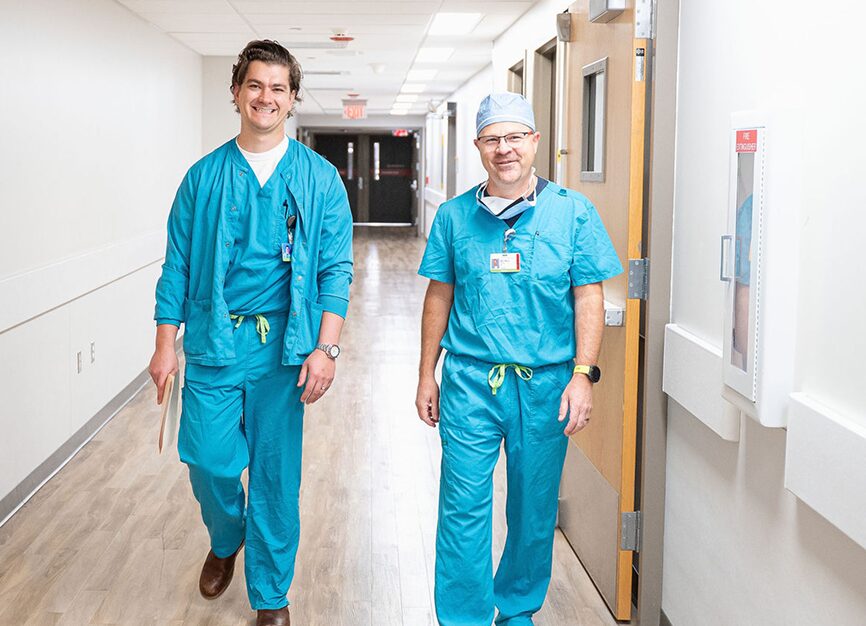
We Stay With You Every Step
From preparation through recovery, your anesthesia care team is focused on your safety, comfort, and confidence.
Preoperative Preparation
Before surgery, your care team will review your medical history and testing needs. Most medications may be taken with small sips of water unless instructed otherwise. You will receive specific pre-surgery instructions in advance.
On the day of surgery, you will meet your anesthesiologist in the preoperative area to review your anesthesia plan.
Care During Your Procedure
A member of your anesthesia care team is with you at all times, monitoring your vital signs, comfort, and safety. Medications for pain and nausea are provided as needed.Postoperative Care
After surgery, you will recover in the Post-Anesthesia Care Unit (PACU), where trained nurses will monitor you. Once your vital signs are stable and your comfort is well managed, you will be discharged to your hospital room or a recovery area prior to going home.
Empowering Your Healthcare Journey
For further information on the role of the anesthesiologist and the standard of care in the U.S., we recommend visiting Made for This Moment—an initiative by the American Society of Anesthesiologists.
Get in Touch
Your comfort and safety are our highest priorities. If you would like more information about your anesthesia plan or have specific questions for our specialists, we invite you to contact us directly
Contact Us