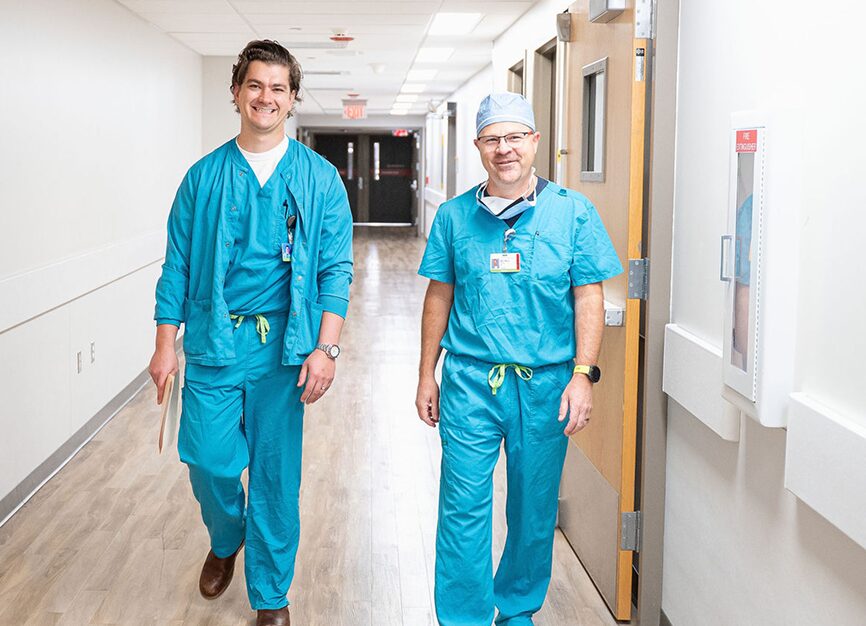
Clinical Excellence for Your Delivery
Specialized anesthesia care designed for the safety and comfort of you and your baby.
Contact UsAnesthesia Care That Supports You and Your Baby
At MPAS Ohio, we believe your childbirth experience should be as safe and comfortable as possible. Every labor journey is unique, and the level of support you need depends on various factors—from your personal pain tolerance to the progression of your delivery.
Our specialized Anesthesia Care Team—comprised of Board-Certified Anesthesiologists and CRNAs—works in seamless coordination with your obstetrician and nursing team to provide a customized pain management plan centered on the safety of both you and your baby.
Types of Pain Relief
Regional Anesthetics
Cesarean Sections
- Types of Pain Relief
Tailored Options for a Personalized Birth Experience
We offer several methods to manage discomfort during labor, ensuring we can pivot as your needs change.
- Typically used during early labor, these medications help dull pain and promote relaxation. While they do not eliminate pain entirely, they can offer significant relief.
Local Anesthesia
Administered by your obstetrician at the time of delivery, this numbs a specific area (such as for an episiotomy) but does not address the pain of contractions.Regional & General Anesthesia
Managed exclusively by the MPAS team, these options provide the most comprehensive pain management for both vaginal and Cesarean deliveries.Regional Anesthetics: Epidurals and Safety
Regional anesthesia is the "gold standard" for labor pain, allowing you to remain awake and alert while significantly minimizing the pain of contractions.
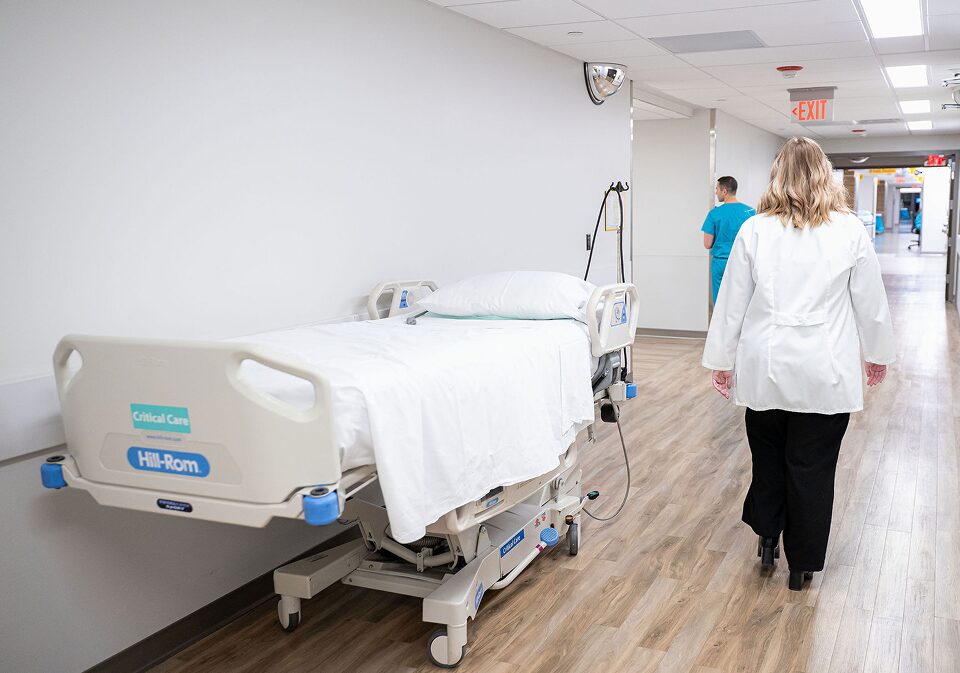
The Epidural Process
An epidural can be placed at almost any point during active labor. Your specialist will guide you through the process, which involves placing a tiny, flexible tube in the lower back. This tube allows us to provide a continuous, adjustable flow of medication, ensuring your comfort lasts as long as you need it.
What Are The Risks Of An Epidural?
While serious complications are exceptionally rare, we believe in full transparency:
Vigilant Monitoring
We proactively manage blood pressure with I.V. fluids and careful positioning.Spinal Headaches
Occurring in less than 1% of cases, these are rare but treatable. Our team is trained to identify and resolve these symptoms quickly should they occur.The "Test Dose"
We use modern safety protocols, including a "test dose" of medication, to ensure your epidural is perfectly placed before full administration.
Your anesthesia plan is a collaborative choice. We consult with you and your obstetrician to identify the specialized regional anesthetic that best fits your delivery goals.
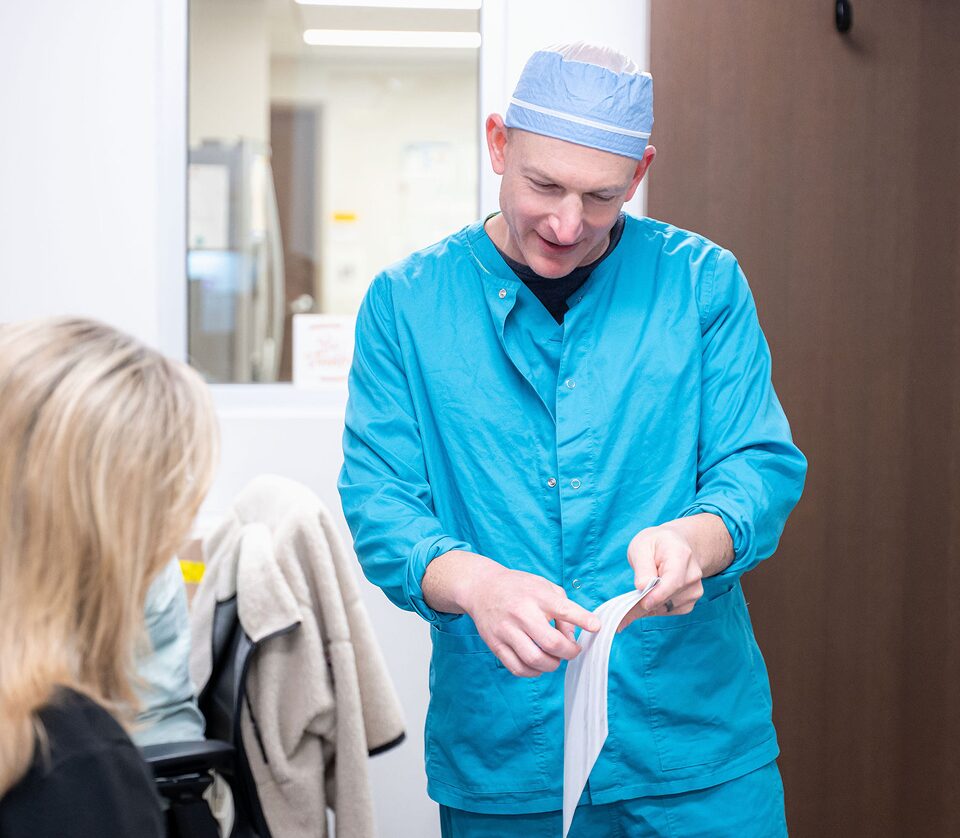
Advanced Care for Every Delivery Path
The choice of anesthesia for a Cesarean delivery is based on your medical history, the urgency of the delivery, and your personal preferences. Your MPAS specialist will discuss these options with you to ensure the safest and most comfortable experience for you and your baby.
Most commonly, a spinal anesthetic is recommended for Cesarean delivery. A spinal provides a rapid, dense numbness.
The spinal needle is much thinner than the epidural needle and is placed within the sac of fluid that bathes the spinal cord. A small amount of local anesthetic is administered through the needle and the numbness begins almost immediately. Side effects are similar to those experienced with epidural blocks. In addition, after a spinal anesthetic, it is not uncommon for the skin on your chest to feel heavy because it is numb. Although your breathing is normal, it may seem to be different because of the heavy sensation.
Please the content…
Please the content…
Please the content…
Expert Care for You and Your Baby
At MPAS Ohio, we are dedicated to making your childbirth experience as safe and seamless as possible. Contact us today to learn more about our specialized protocols.
Contact Us